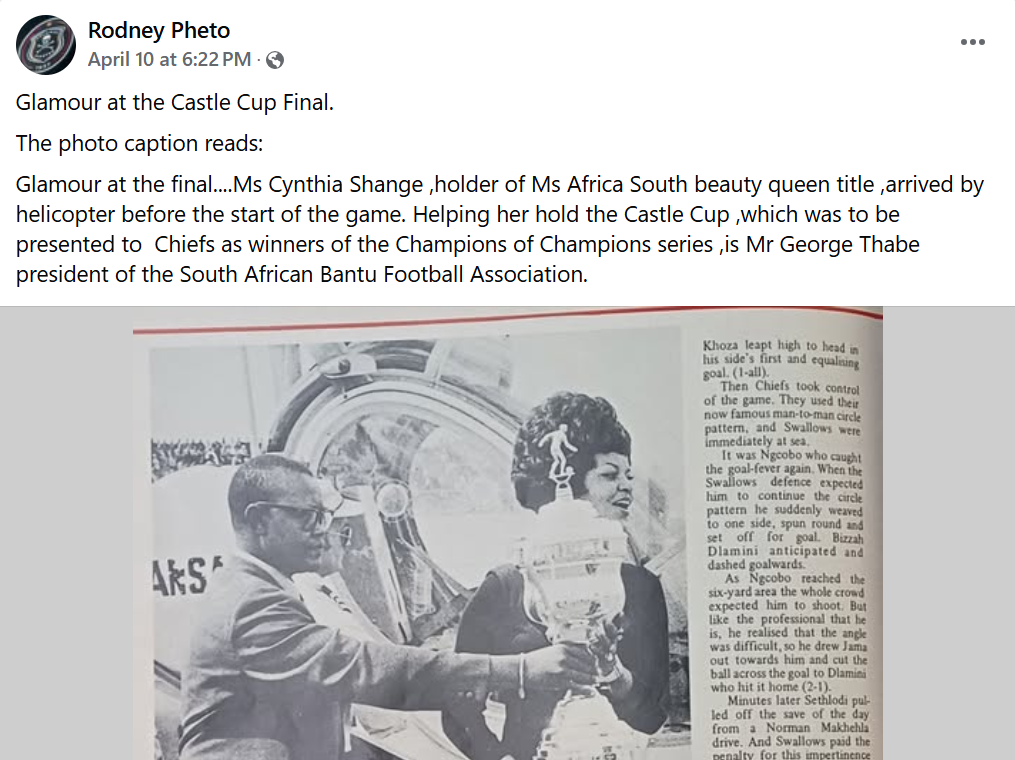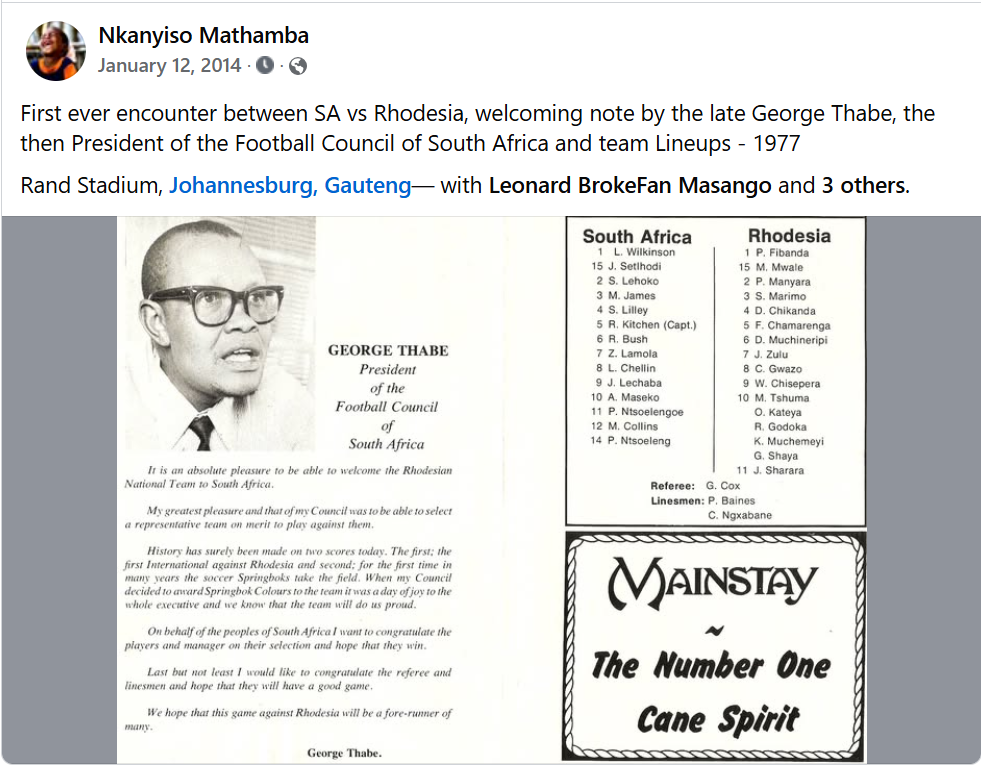

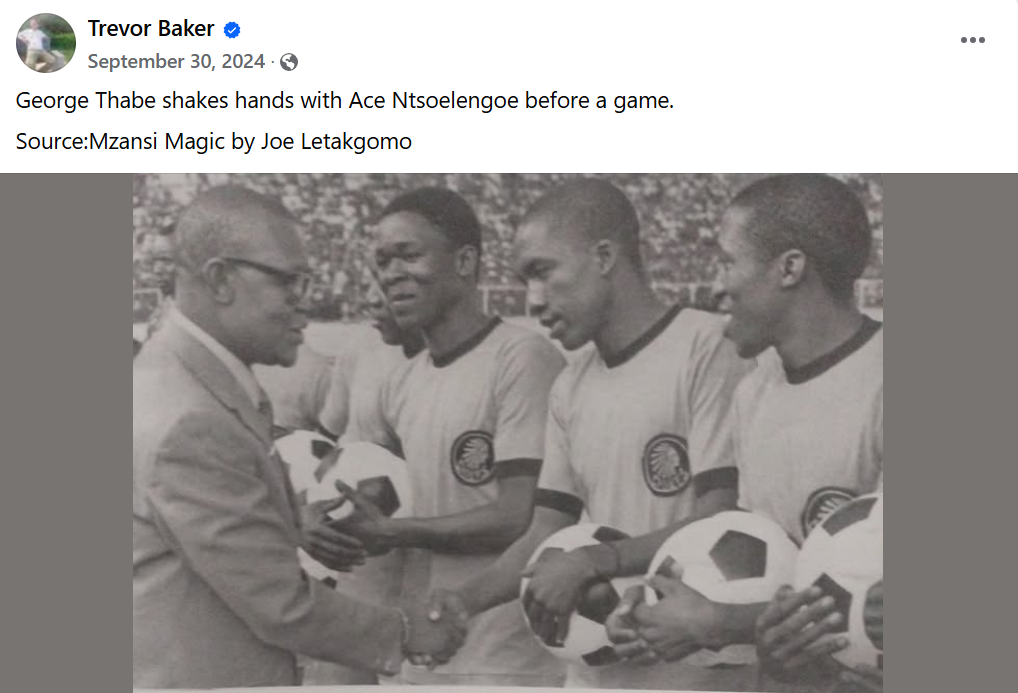
George Thabe, born in 1932 and passing in 2003, was a powerful and polarizing figure in the history of South African football. As the founder and president of the National Professional Soccer League (NPSL) and first president of SANFA, Thabe played a key role in the development of professional soccer for black South Africans during apartheid. His tenure was marked by both visionary leadership and controversy, culminating in a major rebellion led by Kaizer Motaung in 1985, which led to the formation of the National Soccer League (NSL). Despite his flaws, Thabe’s contributions laid the groundwork for today’s South African Football Association (SAFA) and left a lasting impact on the game.
| 1932 | Birth | George Thabe was born in 1932 in South Africa. He later became a major figure in South African soccer, especially during the apartheid era. |
| 1971 | Co-founder and Chairman of the National Professional Soccer League (NPSL) | George Thabe co-founded the NPSL, a professional soccer league that provided a platform for black clubs during apartheid. He became its Chairman and later President, helping to formalize and professionalize black football. |
| 1970s | Rise as Soccer Powerbroker | Thabe emerged as one of the most powerful football administrators, known for his authoritative leadership style. He was often described as ruling the sport with an “iron fist.” |
| 1970s–1980s | Lifetime President of SAFA (South African Football Association) | George Thabe was named Lifetime President of SAFA, holding significant influence in football governance. Although SAFA as we know it today formed in the 1990s, Thabe held this title in earlier iterations or structures preceding full unification. |
| Early 1980s | First President of SANFA (South African National Football Association) | Thabe became the founding president of SANFA, an important transitional body that aimed to unify South African football. However, holding both SANFA and NPSL leadership positions drew criticism. |
| January 11, 1985 | Kaizer Motaung’s Protest | Tensions erupted when Kaizer Motaung led a protest, demanding Thabe’s resignation from both NPSL and SANFA due to conflicts of interest, dual roles, and receipt of salary from honorary positions. |
| January 13, 1985 | Emergency NPSL Meeting | A special meeting was called to consider charges of bringing the league into disrepute against Kaizer Motaung and Ronnie Schloss, as they openly challenged Thabe’s leadership. |
| 1985 | Formation of the National Soccer League (NSL) | Sixteen clubs broke away from the NPSL to form the NSL, accusing Thabe of autocratic control and financial mismanagement. This marked the beginning of Thabe’s political and administrative decline in South African football. |
| 1985–1995 | NPSL Continues Under Thabe | Thabe and his supporters continued running the NPSL independently, but without sponsor support or major clubs, it gradually lost influence. |
| 1995 | NPSL Folds | After a decade of survival following the breakaway, the NPSL collapsed in 1995, effectively ending Thabe’s official influence in organized football. |
| 2003 | Death | George Thabe passed away in 2003 at the age of 71. Though controversial, his foundational role in shaping black South African football remains significant. |
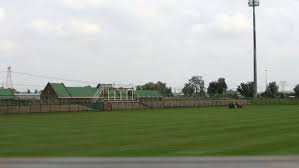
| Posthumous Recognition | George Thabe Stadium | A stadium in the Vaal Triangle was named after him—George Thabe Stadium—formerly used by the Vaal Professionals, acknowledging his long-standing contribution to the sport. |