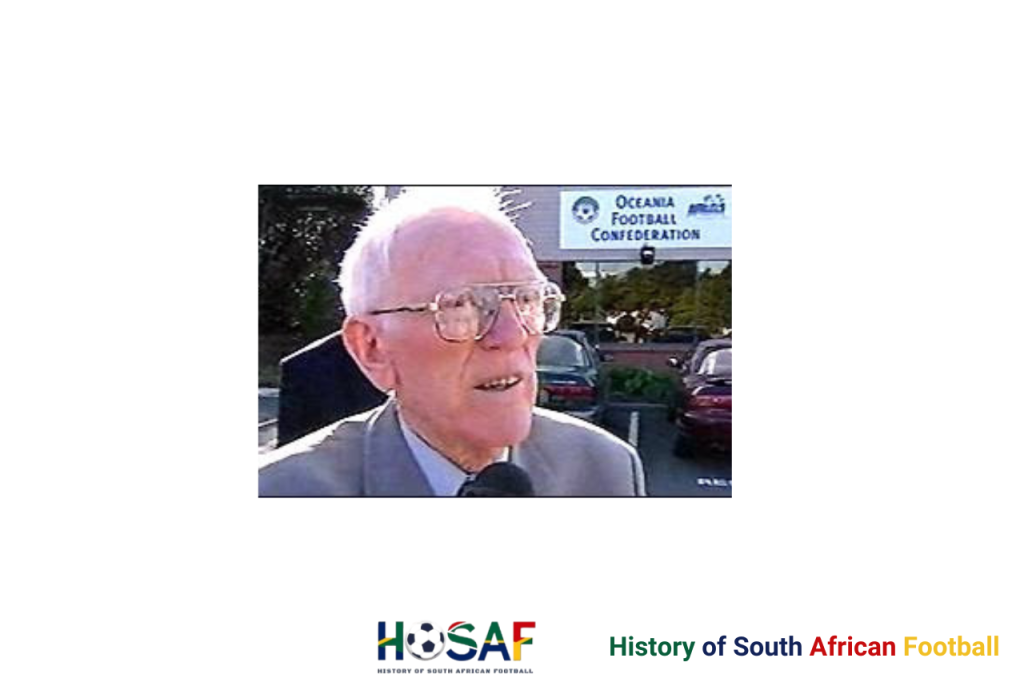
Charles John Dempsey was a New Zealand football administrator. He was born in Scotland in 1922 and migrated to New Zealand in 1952. Charles Dempsey was President of the Oceania Football Confederation and he served on FIFA’s executive committee.
What Role Did Charles Dempsey Play in South Africa’s 2006 World Cup Bid?
In July 2000, FIFA held a vote to decide the host of the 2006 World Cup. South Africa was bidding, as were other nations (including Germany). Dempsey abstained from the final round of voting.
This abstention was crucial: if Charles Dempsey had voted for South Africa, the vote would have been tied (12–12), and then FIFA president, Sepp Blatter, who supported South Africa, would likely have had the deciding (tie-breaker) vote. Instead, Germany won 12–11.
Reasons & Pressure
Dempsey said he faced “intolerable pressure” from both sides. He claimed that influential European interests threatened adverse consequences for Oceania’s football interests if he voted for South Africa.
According to veteran football journalist, Sbusiso Mseleku told BBC at the time. “The night before the FIFA meeting, I received a number of calls which disturbed me. One of them was a threatening call.”
Charles Dempsey also claimed to have received a “pressure call” from former South African president, Nelson Mandela.
There were also reports of bribery or at least an envelope with “gifts” offered to him. Afterward, FIFA launched an internal inquiry into what happened. Dempsey eventually stepped down from his role after the vote.
Years later, investigative reports in Germany revealed that a €6.7 million slush fund may have been used to secure votes for Germany’s bid. Franz Beckenbauer, head of the German bid, was implicated. The funds were allegedly used to influence FIFA executive committee members.
Aftermath & Impact on South Africa’s Future Bids
South Africa was deeply upset by his abstention, as they believed his vote was essentially “given away.”
The loss in 2006 (by one vote) pushed South Africa to bid again — and they later succeeded in winning the 2010 World Cup.
Sepp Blatter later apologized to South Africa, in part because he believed their loss was in part due to Dempsey’s abstention.
Why This Is Seen as a Big Deal
Political implications: For South Africa, losing the 2006 bid by such a narrow margin was painful, especially given that this would have been the first World Cup held on the continent of Africa.
Allegations of corruption: The story around Dempsey’s abstention — pressure, possible bribery, threats — feeds into broader narratives about corruption in FIFA’s bidding processes.
Legacy: The 2006 loss arguably shaped South Africa’s strategy and lobbying for the 2010 bid. Their eventual win in 2010 marked the first time the World Cup was held in Africa.
In summary, Charles Dempsey played a pivotal (and controversial) role in derailing South Africa’s 2006 World Cup bid through his abstention in the final vote. That decision had major ramifications and many believe it directly influenced how South Africa pushed forward and ultimately won the 2010 FIFA World Cup.
Charles Dempsey died in June 2008.