


In a recent interview on the Ntsimbi Makwakwa Podcast, TS Galaxy owner Tim Sukazi opened up about a challenge many fans might not think about: why his club, though proudly based in KwaNdebele, trains and resides in Gauteng.
Despite representing Mpumalanga and playing their home matches there, the players and technical staff of TS Galaxy live and train in Gauteng. It’s a decision rooted not in disloyalty—but in logistics, infrastructure, and survival.
And TS Galaxy isn’t the only one.
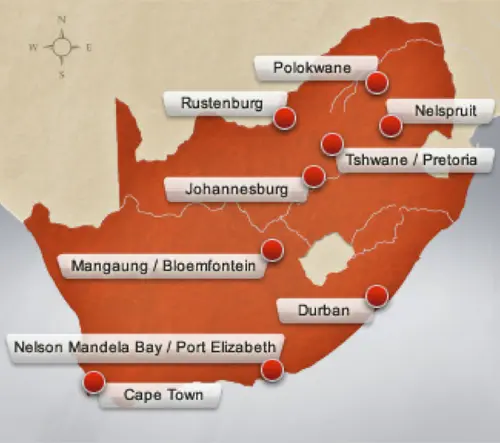
This caught the attention of historyofsouthafricanfootball.com, because it echoes a trend we’ve seen before. Silver Stars were among the first clubs to adopt this hybrid setup—training in Gauteng while hosting matches in Limpopo. Today, Sekhukhune United follows a similar model: a Limpopo club playing matches in Polokwane but training in Gauteng.
But why is this so common?
✈️ Travel Headaches for Rural Clubs

Here’s the hard truth: running a PSL team from a rural province is logistically difficult and financially draining.
South Africa’s top flight requires clubs to travel regularly across provinces. With three clubs in KwaZulu-Natal and three in the Western Cape, rural-based clubs like those from Limpopo or Mpumalanga are forced to travel long distances several times a season.
Take Sekhukhune United, for example. If they were based in Burgersfort—their true home—they’d have no direct airport access. Even Polokwane Gateway Airport, the closest alternative, offers limited flight schedules. And the team would still need to connect via OR Tambo International Airport in Johannesburg before heading to cities like Durban or Cape Town.
That adds hours to each trip, raising costs and exhausting players before matches even begin.
🚧 Poor Infrastructure and Road Safety

Road travel is no better. Anyone who’s driven from Pretoria to KwaNdebele knows the Moloto Road—notorious for accidents and delays. And rural roads in Limpopo, Mpumalanga, and the Eastern Cape? Often underdeveloped and poorly maintained.
These conditions make daily travel for training sessions or matchday trips risky and time-consuming.
🏟️ The Training Facility Gap

Another huge obstacle is the lack of quality training facilities in rural areas. Professional footballers need top-tier pitches, gyms, medical facilities, and recovery resources—most of which are concentrated in Gauteng.
It’s no surprise then that clubs relocate their training bases, even while still proudly representing their home provinces on matchdays.
⚽ Staying Rooted Despite the Struggles
Credit must go to clubs like TS Galaxy who still choose to host their home games in Mpumalanga and engage actively with local communities. It’s a balancing act—honouring their roots while operating from a place that gives them the best chance to succeed in the PSL.
So, the next time someone wonders why a “rural” team is based in Gauteng, the answer isn’t complicated: they have to be—for the sake of travel, safety, infrastructure, and professionalism.