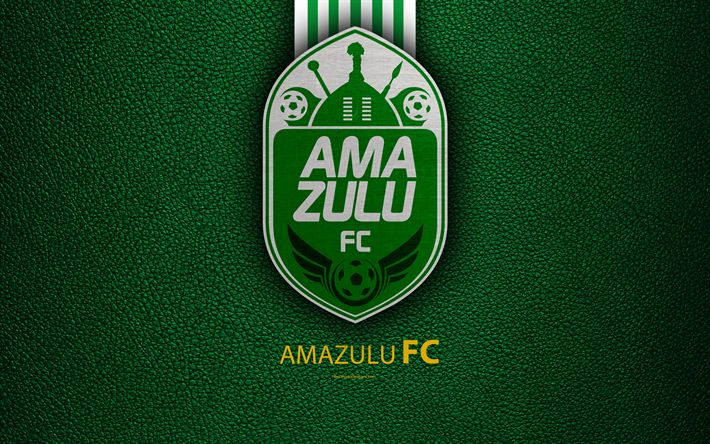
| Full Name | AmaZulu Football Club |
| Nickname | Usuthu |
| Founded | 1932 (as Zulu Royal Conquerors) |
| Location | Durban, KwaZulu-Natal |
| Stadium | Moses Mabhida Stadium (formerly King Zwelithini) |
| Owners | Sandile Zungu (since 2020) |
| Club Colors | Green and White |
| Notable Coaches | Benni McCarthy, Clive Barker |
| Major Trophy | 1972 NPSL Champions, 1992 Coca-Cola Cup winners |
| Status | Active – Premier Soccer League (PSL) |
👑 1. Hero Introduction
AmaZulu FC – A Club Rooted in Royal Blood
AmaZulu FC is more than just a football team; it is an embodiment of Zulu culture, resilience, and sporting passion. Established in 1932, the club traces its origins to the royal houses of the Zulu nation. Nicknamed Usuthu — a traditional Zulu war cry — the team carries a strong cultural identity and loyal fan base. From early days as Zulu Royal Conquerors to continental competition in the CAF Champions League, AmaZulu’s journey is a tale of history, pride, and resurgence.
📜 2. Founding and Royal Origins
AmaZulu was founded in 1932 in Durban as Zulu Royal Conquerors, later renamed Zulu Royals by King Solomon kaDiniZulu. The team was granted the use of royal colors and the Zulu shield as part of its emblem — a direct reflection of its noble status.
In 1971, after replacing African Wanderers in the National Professional Soccer League (NPSL), Zulu Royals made a powerful debut, finishing 6th and being named Club of the Year. A year later, in 1972, they won the NPSL title, their first and only top-tier league championship to date.
🏆 3. Milestones and Competitive Journey
📈 Rise and Glory (1970s–1990s)
| Year | Achievement |
|---|---|
| 1972 | NPSL Champions – 44 points from 26 matches |
| 1987 | Reached Mainstay Cup and Charity Cup finals |
| 1990 | Bob Save Super Bowl Finalists |
| 1992 | Won inaugural Coca-Cola Cup |
| 1993 | Finished 3rd in the national league |
Despite setbacks, AmaZulu became known for consistent performances, cup runs, and resilience. They regularly competed with the best, including Kaizer Chiefs, Orlando Pirates, and Jomo Cosmos.
🌀 4. Transitions and Ownership Changes
AmaZulu has undergone multiple ownership and name changes:
| Year | Ownership / Name Change |
|---|---|
| 2002 | Sold to Sisa Bikisha → Renamed Zulu Royals |
| 2005 | Bought by Dr. Patrick Sokhela → Reverted to AmaZulu FC |
| 2020 | Acquired by Sandile Zungu |
Ownership Timeline: Stewards of Usuthu’s Legacy
AmaZulu’s identity has been shaped by a lineage of owners who each played a role in the club’s evolution — from community guardianship to commercial ambition.
| Period | Owner/Leadership | Notes |
|---|---|---|
| 1932–2002 | Zulu Royal Family & Community Committees | The club was founded by the royal family and community members. Operated under traditional leadership and fan-based support structures. |
| 2002–2005 | Sisa Bikisha | Changed the name from AmaZulu FC to Zulu Royals. This era focused on commercial repositioning but saw limited success. |
| 2005–2020 | Dr. Patrick Sokhela | Reverted the club’s name to AmaZulu FC after wide consultations with fans. Stabilized the club and helped it regain PSL status. |
| 2020–Present | Sandile Zungu | Ushered in a new era of professionalization, continental ambitions, and a modern footballing philosophy. Under his leadership, AmaZulu finished 2nd in the PSL (2020–21) and debuted in the CAF Champions League. |
These shifts mirrored the challenges facing heritage clubs in modern football — identity, commercial viability, and leadership stability.
🔄 5. The Zungu Era and Resurgence (2020–Present)
In October 2020, Durban businessman Sandile Zungu purchased AmaZulu and initiated a bold revival plan. Within months, former Bafana Bafana striker Benni McCarthy was appointed head coach.
2020/21 Season Highlights:
- Finished 2nd in the PSL, behind Mamelodi Sundowns — their best PSL-era result.
- Qualified for the CAF Champions League for the first time in history.
- Rekindled hope, support, and competitive spirit among fans.
⚽ 6. Club Identity and Cultural Significance
AmaZulu’s identity is deeply rooted in Zulu culture and community engagement.
| Element | Description |
|---|---|
| Nickname | Usuthu – Zulu war cry |
| Colors | Green (growth, Zulu land) and White (peace) |
| Fan Base | Loyal support across KwaZulu-Natal – Umlazi, eThekwini, and rural areas |
| Spiritual Links | Club linked with traditional customs and royal symbolism |
| Historic HQ | Originally based at the eMbelebeleni Royal Kraal |
🏆 7. Trophies and Honours
| Competition | Titles Won | Notable Moments |
|---|---|---|
| NPSL League | 1 | 1972 Champions |
| Coca-Cola Cup | 1 | 1992 Winners |
| CAF Champions League | 0 (debut in 2021) | Qualified via 2020/21 league runner-up finish |
| MTN 8 | 0 | Multiple runner-up finishes |
| Bob Save, Mainstay, Charity Cups | Finalist | Lost narrowly in 1987, 1990, and other key finals |
📈 8. Modern Standing and Ambitions
Under Zungu’s leadership, AmaZulu aims to:
- Become regular contenders for PSL titles
- Compete consistently in CAF competitions
- Maintain its identity as a community-first, heritage-rich club
- Develop youth talent in KwaZulu-Natal and beyond
🤝 9. Notable Figures in AmaZulu’s History
| Role | Name |
|---|---|
| Coaches | Benni McCarthy, Clive Barker |
| Royal Patrons | King Solomon, King Goodwill Zwelithini |
| Club Leaders | Sandile Zungu (current), Dr. Sokhela (former) |
| Legends | Bongani Khumalo, Tovey brothers, Siyabonga Nomvethe |
| Influencers | Bethuel Masondo, Francis Dlamini |
🛡️ 10. Why AmaZulu Still Matters
- 🌍 Africa’s oldest surviving club with direct royal links
- 🏹 Embodies Zulu pride, history, and resilience
- 🏆 Continued ambition to reach new heights domestically and continentally
- 🧒🏾 Invests in local development and identity-based football
🗣️ 11. Final Word: A Club of Legacy, Spirit, and Destiny
“Usuthu isn’t just football. It’s who we are. It’s where we come from.” – Lifelong Fan, Umlazi
AmaZulu FC represents over 90 years of cultural excellence, sporting tradition, and Zulu warrior spirit. It stands as a living legacy of South African football’s roots, resilience, and evolution. As they march toward their centenary in 2032, one thing remains clear — Usuthu lives on, louder and prouder than ever.